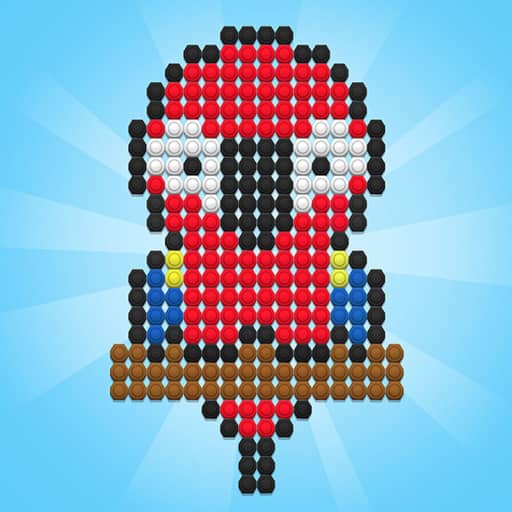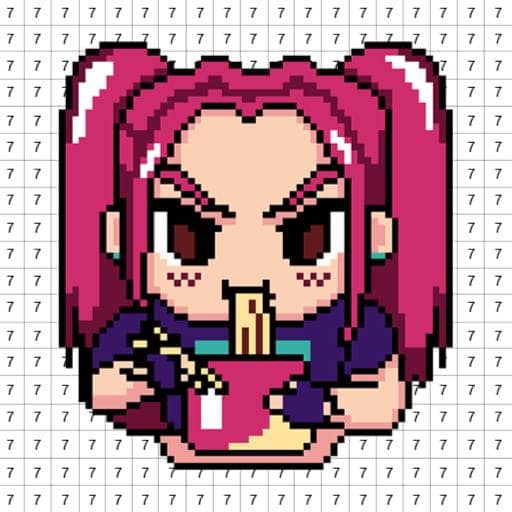











About Color Nonogram Puzzle
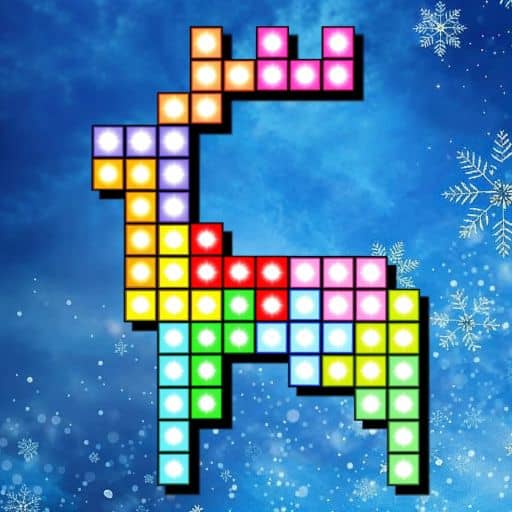
Color Nonogram Puzzle is the perfect blend of relaxation and mental stimulation, offering a peaceful escape where logic reveals beautiful hidden artwork. Whether you have five minutes between classes or want to unwind after a long day, this cozy brain game delivers satisfying moments of discovery with every completed picture. You'll find yourself effortlessly falling into a focused, calm state as colorful pixel art takes shape beneath your fingertips.
How to Play
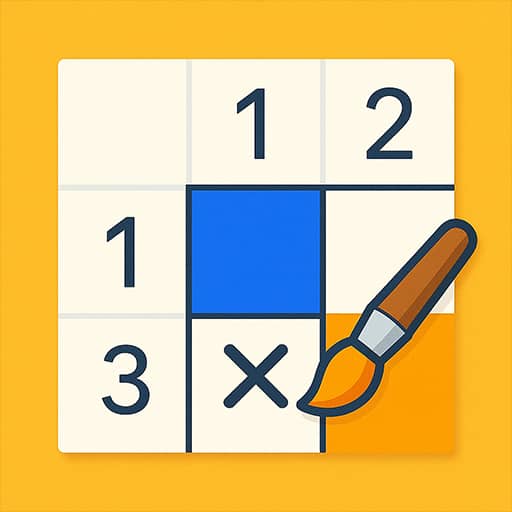
Each row and column has colored number clues that tell you how many blocks to paint and what colors to use. Use logic to fill in the grid correctly – no guessing required!
Tips
Start with the largest numbers in each row and column, as these are easiest to place. Always mark the squares you know are empty with an X so you don't accidentally fill them later. Focus on completing one color at a time to keep your thoughts organized, and use the edges of the grid to your advantage since they naturally constrain where blocks can go.
Advanced Strategies
Look for row and column intersections where overlapping blocks must exist, creating definitive anchor points across the grid. Master the counting technique by calculating the minimum space required for clue groups and comparing it to the available cells in the line. Work methodically through the grid by repeatedly scanning all rows and columns after each placement, as a single confirmed block often triggers a chain reaction of logical deductions.
Frequently Asked Questions
Use the colored number clues on each row and column to determine which blocks to paint. The numbers tell you how many consecutive blocks of each color belong in that line. Fill in the grid using pure logic to reveal the hidden picture.
Start with the biggest number clues first, mark empty squares with X's to narrow down possibilities, and focus on one color at a time. Always double-check intersections where rows and columns cross for helpful clues.
Yes! Color Nonogram Puzzle helps develop logical thinking and attention to detail in a fun, colorful way. Younger children may want to start with smaller grids and work their way up as they build confidence with the number-based clues.